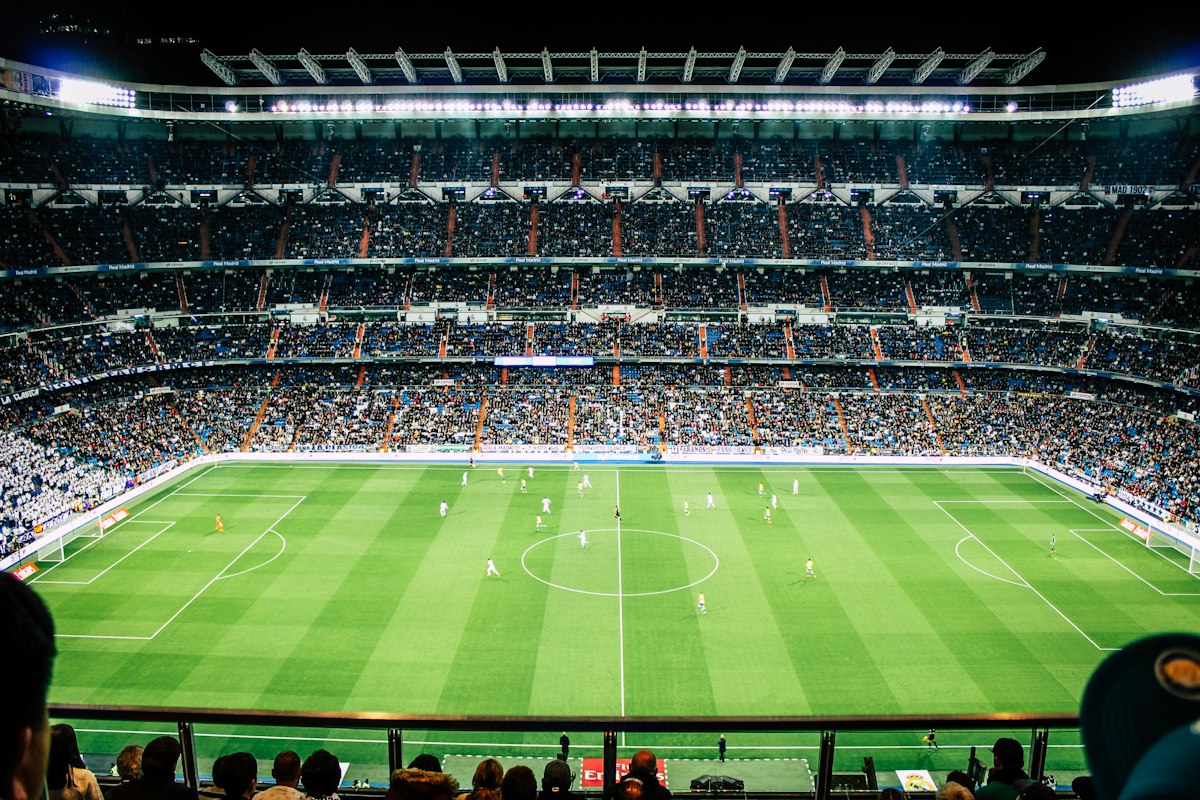
Real Madrid approach the transfer market with a different kind of pressure. The club rarely rebuilds in public. It tends to layer succession planning quietly, keeping the squad competitive while reducing the need for sudden, high-risk overcorrections.
The Main Market Question
The key issue for 2026 is not whether Madrid need talent. They always have talent. The question is where the next refresh matters most:
- long-term defensive continuity
- midfield rotation for multiple competition loads
- forward-line balance across different game states
That is a different problem from simple short-term need.
Why Patience Can Be a Competitive Advantage
Madrid often benefit from not chasing every market rumor. Their strongest windows tend to be the ones where the club moves with precision and leaves room for future flexibility. In modern squad building, preserving optionality is often more valuable than forcing one extra signing.
The Risk of Standing Still
Patience still has a limit. If succession planning arrives too late, elite sides can suddenly find themselves relying on declining legs or overloading younger players before the team structure is ready to protect them.
That is why timing matters as much as talent.
Editorial Assessment
Real Madrid's 2026 transfer story is best understood as a balance between refresh and restraint. The club does not need a dramatic market window to remain elite. It does need accurate succession planning. If that part is right, the squad stays among the strongest in Europe without sacrificing future flexibility.